
OPINION: Public Intoxication on HARD DRUGS Should Mean Time Served in Rehab
For many Americans, walking through a major downtown no longer feels as safe or welcoming as it once did. Open drug use, aggressive behavior, and visible addiction have become an accepted part of city life. They shouldn’t be.
While there is no single reason that causes all of these issues, there is one fix that can quickly revitalize the American city: mandatory rehabilitation for public intoxication on hard drugs.
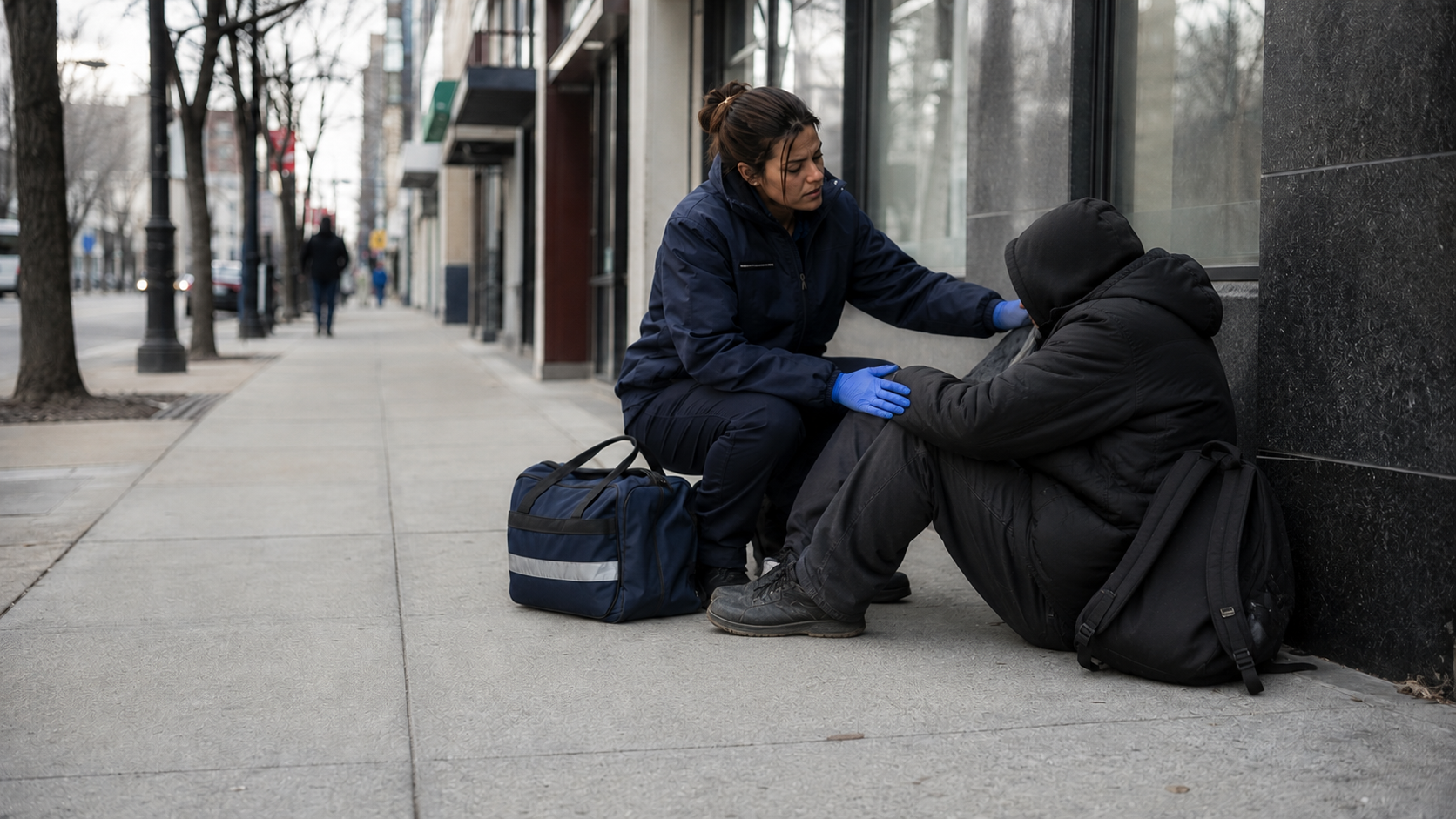
If you live or work in a major city, you can picture the scene. You’re walking down a city street, and you see a homeless person shaking a cup for change. “No way,” you think. “They’re just going to buy drugs.” You keep walking. A few blocks later, you see a man who appears severely intoxicated on hard drugs. You fear for your safety and cross the street.
Let us be clear: We sympathize with homeless people, and it would be wrong to characterize all homeless people as drug addicts. However, some are, and the solution is not to coddle them. The solution is tough love. Compassion is helping people overcome addiction—not leaving them on the sidewalk to slowly kill themselves.
The drug trade is diminishing our great American cities. New York, Los Angeles, San Francisco, Chicago, and countless others are tarnished by drugs.
We propose mandatory placement in a secure treatment facility for anyone publicly intoxicated on hard drugs. The facility would function like a hybrid of a prison and a rehabilitation center: patients could not simply walk out, but the primary purpose would be recovery, not punishment. Those who become violent or repeatedly refuse treatment would face traditional criminal penalties. Continued confinement would require medical confirmation of serious drug intoxication and court approval, ensuring that no one is institutionalized merely for appearing homeless or behaving unusually.
This policy would:
A. Clean up our streets.
B. Reduce the hard-drug trade.
C. Help former drug addicts get clean and re-enter society.
With fewer customers buying hard drugs, the illegal drug trade would begin to shrink. Former addicts could safely re-enter the workforce with structured support instead of remaining trapped in addiction on the streets. Our hope is that, by the time a person’s mandatory treatment is complete, they will have a real opportunity to rebuild their life—and one less reason to return to the dealer who first fueled their addiction.
America should not accept open hard-drug use as an unavoidable feature of city life. We owe the public safe streets, and we owe those suffering from addiction a genuine path to recovery. Sometimes the most compassionate policy is also the one willing to say “no.”